
- Log in to post comments
When you think of large print books, what comes to mind?
If you pictured large print crosswords or your local public library's cozy senior section, you are not alone! But at Kaneland Harter Middle School, we asked ourselves a different question: What if large print is actually the missing key to middle school reading success?
Thanks to the My Library Is... Grant from RAILS, we set out to answer that question by launching a brand-new Large Print Fiction section in our Library Resource Center. A school year later, the results, circulation data, and student surveys are in, and they proved that when you change the page, you change the reader.
Middle school is a crucial time for reading identity, but standard book formatting can create invisible hurdles for growing readers. Large print books feature 16-point fonts, extra spacing, and higher contrast, turning what feels like an intimidating wall of text into an inviting, open doorway.
Our mission was straightforward: ensure equal access so all students can read comfortably and easily. Large print creates immediate wins for visual comfort by lessening eye strain for students with visual impairments; focus and tracking by giving students with dyslexia or ADHD an easier visual path across the page; English Language Learners by reducing page density so processing new vocabulary feels less overwhelming; and confidence and stamina by making thick books feel achievable, which keeps kids reading longer.
What the Data & Students Told Us
We compared student survey responses from the start of the project to the end of the school year, along with our checkout numbers. The feedback was overwhelmingly positive! At the start of the project, few students realized large print was an option. By the end of the year, awareness soared across the school. In our year-end survey, students who checked out large print books shared that they felt less anxious while reading, found it easier to keep their place on the page, and even remembered plots and characters better. Students explicitly told us that small text makes them far less likely to pick up a book. Large print gave them back their choice.
If you are thinking about starting a large print collection for your young readers, here are three easy ways to make it stick:
-
Seamless Integration (Genrefication): Because our fiction collection is organized by genre, we integrated large print as its own category, minimizing any potential stigma for students.
-
Face Those Covers Out: Cover art sells the story! We used grant funds for simple plastic easels to display titles front-facing. Students browsing for a great cover naturally picked up large print copies without feeling any embarrassment.
-
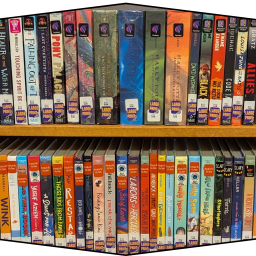
Buy current "Hits," Not Just Classics: Grab the titles kids are already talking about—like popular classroom book club picks or current bestsellers. Seeing the latest by Alan Gratz or Wink in large print makes accessibility feel exciting and modern.
Looking Ahead
Adding large plarge rint to our library wasn't just about getting more books checked out; it was about making sure every student walked into the LRC and felt like reading was meant for them. A huge thank you to RAILS for supporting our vision and helping us build a more inclusive reading community!
Today's blog post was written by Hope Paskus at Kaneland Community School District #302.
This project was made possible by the My Library Is... Grant.