
- Log in to post comments
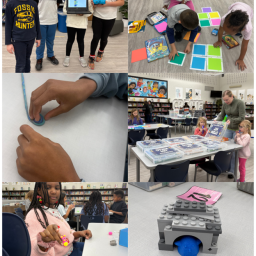
School libraries and media centers are not the same as when I grew up. They are now spaces that spark curiosity, foster innovation, and create meaningful learning experiences that extend beyond a traditional library. Thanks to the RAILS My Library Is... grant, our elementary school media center has been able to expand access to hands-on STEM learning opportunities that empower students to explore, create, and problem-solve in new ways.
The motivation for this project is access. Our goal was to provide students with opportunities to engage with STEM concepts through experiences that are interactive, inclusive, and inspiring. With grant funding, we were able to purchase a 3D printer and materials, coding and robotics kits, makerspace supplies, materials to create take-home STEM kits, and a diverse collection of books highlighting underrepresented voices in STEM. Together, these resources have helped transform our library into a hub for creativity, inquiry, and innovation.
Students were already excited about STEM in our media center during my first year at Thomas Jefferson but many had limited access to tools that allowed them to experiment, build, code, and invent. I wanted to provide more opportunities to engage in hands-on exploration and design thinking. We also wanted to ensure students saw STEM as a field where everyone belongs, which led to intentionally including books and materials that reflect diverse voices and experiences.
This work feels especially important now. As schools continue preparing students for a rapidly changing world, critical thinking, collaboration, and creativity are essential skills. Media centers and libraries can play a powerful role in developing those skills. By pairing high-interest tools like robotics and 3D printing with literacy-rich resources and inquiry-based challenges, we can support both academic growth and joyful discovery.
Families are now able to get involved by checking out the take-home STEM kits, which extend learning beyond the school day. Each kit includes age-appropriate STEM challenges, coding or building activities, and books that connect to the concepts students are exploring. These kits have helped strengthen school-to-home connections while making STEM learning more accessible.
For libraries interested in replicating a project like this, start with your “why.” Identify the needs and interests of your learners and think about how STEM resources can support your broader instructional and equity goals. Acquiring makerspace materials is a great way to begin small, and the program can then expand with robotics tools. Circulating STEM kits is also a good way to make a big impact with a smaller number of devices. Collaboration is also important. Partner with classroom teachers to connect resources to curriculum and seek opportunities to involve families and the wider school community.
Other important lessons I learned are to think about choosing flexible tools that can be used across grade levels, build procedures for circulating or managing materials, and consider how professional learning can help staff feel confident integrating the resources.
This project has reinforced the value school libraries and media centers bring as spaces where literacy, technology, and innovation intersect. By providing equitable access to engaging STEM experiences, we can help students see themselves as creators, thinkers, and future problem-solvers. That is the value we hope this project continues to provide for years to come.
Today's blog post was written by Kris Bruno, Media Center Specialist at Thomas Jefferson Elementary School.
This project was made possible by the My Library Is... Grant.